
Microfiber Cleaning Cloths
Low-lint surface care for offices, vehicles, glass and janitorial work.
Browse microfiber towels

 PROMOTION: Earn a $25 Target Gift Card Today.
See Details

Picking reusable cleaning cloths sounds easy until you are standing in front of a dozen options. Microfiber or cotton? Thick or thin? One color or six? The cloth you choose affects how clean a surface gets, how long the cloth lasts and how smoothly your cleaning routine runs.
This guide skips the debate about disposables and focuses on the practical questions: which reusable cleaning cloth belongs on which surface, how to set up a simple color-coding system, how to launder cloths so they last, and what to check before you place a bulk order.
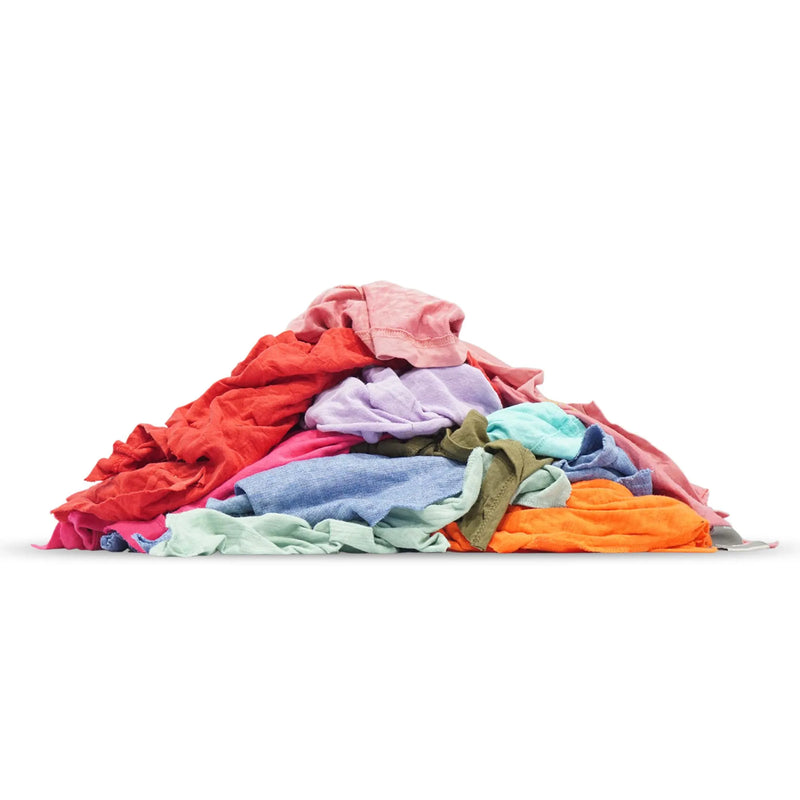
Need bulk reusable cleaning cloths for your business? Compare microfiber, cotton terry, bar mop, huck and shop towels in WipingHub's reusable cleaning cloths collection. Choose materials and pack formats for your cleaning routine, then check each listing for its current specifications and price.
Low-lint surface care for offices, vehicles, glass and janitorial work.
Browse microfiber towels
Absorbent reusable cotton cloths for restaurants, kitchens and facility cleaning.
Browse commercial cloths
Low-lint woven towels for glass, polishing and finishing applications.
Compare huck towelsProduct images illustrate cloth types; available colors, sizes, price and packaging may vary by listing.
A good cloth does four things well:
It picks up liquid quickly without needing several passes.
It lifts soil off the surface and releases it in the wash, rather than smearing it around.
It cleans without scratching glass, paint, stainless steel or screens.
It keeps its shape, edges and absorbency through repeated washing.
Different fabrics score differently on each of these, which is why most businesses keep two or three cloth types rather than one.
Microfiber has dense, ultra-fine fibers that grab dust, oil and residue. It is light, dries quickly and is gentle on delicate surfaces. Weave matters: a smooth, flat weave suits glass and polishing, while a waffle or textured weave holds more liquid and scrubs a little harder.
Choose it for: glass, mirrors, stainless steel, vehicles, displays and general surface cleaning.
Looped cotton absorbs a lot and tolerates frequent, hot laundering. It is rugged and familiar, especially in food service and hospitality.
Choose it for: spills, counters, kitchens, drying and everyday wipe-downs.
Huck cloths have a tight, flat cotton weave that sheds very little lint while still absorbing well.
Choose it for: glass, detailing, polishing and areas where lint is a problem.
Thick, sturdy cotton cloths made to take punishment and soak up oil, grease and solvents.
Choose it for: garages, machine shops, factories and maintenance work.

Before placing a bulk order, match the material and dimensions to the job. The examples below are product categories and size options visible in WipingHub's catalog; individual listings determine exact specifications, quantities and availability.
| Cleaning cloth type | Example size | Material / construction | Best application | Order details |
|---|---|---|---|---|
| Microfiber towels | 16 × 16 in. options | Microfiber; confirm blend and GSM per listing | Auto detailing, janitorial and glass | Check packs and current prices |
| Bar mop towels | 14 × 17 in. or 16 × 19 in. options | Cotton terry / ribbed bar mop | Restaurants, kitchen spills, counters | Check case and pack options |
| Huck towels | 15 × 27 in. options | Low-lint woven cloth; verify product details | Glass, polishing and detailing | Check available colors and quantities |
| Shop towels | 13 × 14 in. options | Cotton shop-towel construction | Automotive maintenance and shop wiping | Browse shop towel packs |
| Washcloth towels | 12 × 12 in. options | Economy and premium versions; premium 600 GSM option | Facility wiping and light spills | Compare variants and pricing |
Bulk buying math: Price per cloth = current pack price ÷ number of cloths. For pound-based rag boxes, compare price per pound rather than assuming a fixed piece count. For larger orders, compare the WipingHub bulk quote with listed packs; contact the supplier for confirmed case counts, pricing tiers and freight.
| Surface or task | Best cloth type | Tip |
|---|---|---|
| Glass and mirrors | Flat-weave microfiber or huck | Finish with a clean, dry cloth to avoid streaks |
| Stainless steel | Microfiber | Wipe with the grain of the metal |
| Countertops and tables | Microfiber or bar mop | Fold the cloth so you always wipe with a fresh side |
| Floors and spills | Bar mop or waffle weave | Use a dedicated cloth for floors only |
| Restrooms | Color-coded microfiber | Keep these cloths strictly separate from all other areas |
| Vehicles and paint | Soft microfiber | Use clean cloths only, since grit can scratch |
| Electronics and screens | Soft, flat microfiber | Dampen lightly, never soak |
| Grease, oil and machinery | Cotton rags or shop cloths | Launder separately from other cloths |
Restaurants and food service: Keep dedicated commercial reusable cleaning cloths for counters, front-of-house surfaces and spill cleanup. Use bar mops or terry for water-based messes, and a clearly assigned color-coding routine.
Automotive repair and detailing: Use clean microfiber for paint-safe finishing and glass, huck for polishing, and separate cotton shop rags for oily mechanical work. Browse shop towels for auto shops before selecting quantities.
Janitorial and facility maintenance: Keep color-coded cleaning cloths separated by service area; choose low-lint microfiber for mirrors and stainless steel, and more absorbent cotton options for spills and utility surfaces.
Manufacturing and industrial maintenance: Cotton wiping rags and shop cloths help handle grease and equipment residue, while dedicated microfiber cloths are better for lighter surface work. Follow site-specific procedures for chemical contamination and rag disposal.
Color coding is the easiest way to keep cleaning consistent and reduce the spread of germs from one area to another. You do not need a complicated chart. A basic setup works for most sites:
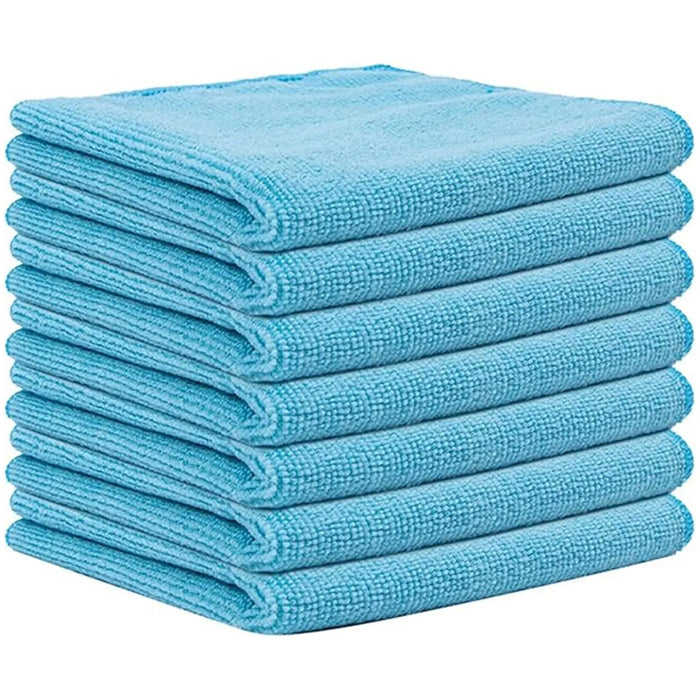
These colors are a common convention, not a rule. Choose what suits your site, post the chart where staff can see it, and stick to it. The goal is that a cloth used in one zone never ends up in another.
How you launder matters as much as what you buy.
If you do not want to run laundry in-house, a commercial laundry service is an option. Compare the cost of laundering against the savings from using reusable cloths.
For repeat purchasing, calculate price per usable cloth, not just carton price. Verify cloth count per pack, material, size, weight or GSM where published, wash-cycle requirements, available colors, and the cost to launder or replace the cloths. Ask for a written bulk quote when you need recurring delivery or pallet quantities.
Separate microfiber from lint-producing cotton, wash heavily soiled industrial cloths separately, and avoid softeners that reduce microfiber performance. For kitchen, janitorial and industrial cloths, follow your organization's approved hygiene and chemical-handling procedures.
Before you order reusable cleaning cloths in volume, check:
A good rule of thumb is to own enough cloths for one full cycle in use, one in the wash and a spare set on the shelf.
WipingHub carries cleaning cloths and rags for commercial and industrial teams. Explore reusable cleaning cloths and bulk cleaning cloths for everyday wiping and surface cleaning, or browse industrial cleaning rags for heavier jobs. For a comparison of reusables against disposable options, read our guide to reusable cloths.
Most are made of microfiber, cotton terry, huck weave or heavy cotton. Each material suits different jobs, so many businesses stock more than one type.
Flat-weave microfiber and huck cloths are the usual choices because they leave very little lint. Use a clean, dry cloth for the final wipe.
Use a color-coding system, assign cloths to specific areas, launder them after use and never reuse a restroom cloth anywhere else.
It is better not to. Separate microfiber from cotton, keep different colors apart and wash greasy or heavily soiled cloths on their own.
Replace them when they become thin, frayed, stiff or stop absorbing and cleaning well. Lifespan depends on the material and how they are used and washed.
Often, yes. Even small operations tend to save over time by buying cloths once instead of buying disposables repeatedly. Compare your current supply spending with the cost of a reusable set.
It depends on the task. Larger cloths suit counters, vehicles and floors. Smaller cloths suit detail cleaning and glass. Many teams keep both.
Explore WipingHub bulk cleaning cloths to compare microfiber, huck, bar mop and shop towel options, then open individual listings for current pack sizes and prices.
Divide the current pack price by the number of cloths in the pack, then factor in laundering and replacement costs. For bulk rags sold by weight, compare price per pound.
Restaurants commonly use absorbent bar mops; auto shops often combine shop rags with detailing microfiber; janitorial teams benefit from a color-coded mix of microfiber and cotton.
Yes. Available colors, dimensions and packaging vary by product. Check the linked collection and selected product variant for current details.
The best reusable cleaning cloths are the ones matched to the surface, kept in a simple color-coded system and cared for properly. Get those three things right and your cloths will clean better, last longer and cost less per use.
Need a dependable supply for your team? Browse WipingHub's cleaning towels and cloths and place your bulk order today.