


Choosing the right rags for cleaning separates a frustrating wipe-down from a fast, streak-free finish. The material you pick controls absorbency, lint residue, and how many washes each rag survives. Cotton cleaning rags, microfiber cleaning rags, and disposable rags each solve different problems across kitchens, shop floors, and vehicle bays.
- Microfiber rags trap dust and grease without chemicals, producing lint-free results on glass and stainless steel.
- Cotton rags (terry, huck towels, knit) absorb heavy spills and withstand dozens of wash cycles for industrial and household tasks.
- Disposable rags handle single-use hazardous messes where reuse poses contamination or safety risks.
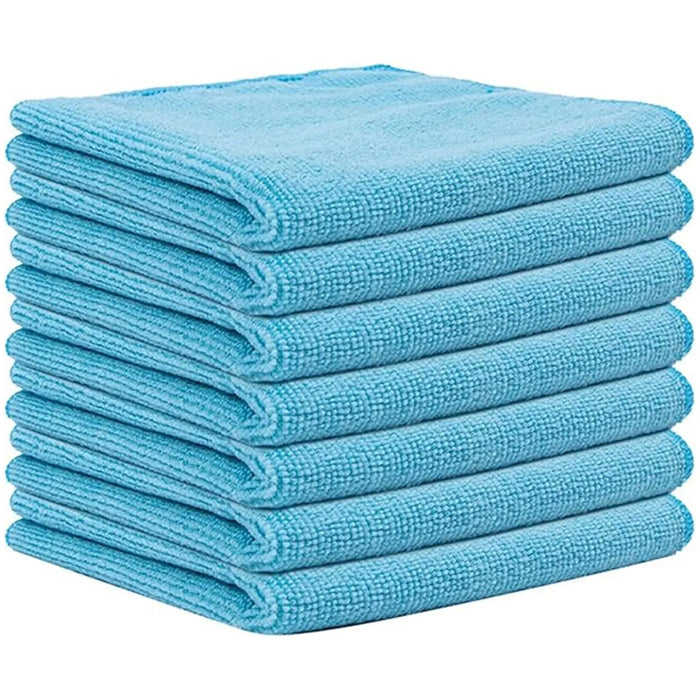
Microfiber Cleaning Rags 12x12: Features and Bulk Uses
Microfiber cleaning rags in the standard 12x12 size hit the sweet spot between maneuverability and coverage. Made from split synthetic polyester fibers, these cloths create millions of tiny hooks that trap dirt particles and liquids instead of pushing them around. Wiping Hub carries microfiber towels in multiple sizes and colors, all built for high-volume janitorial and commercial use.
When dry, a microfiber rag generates an electrostatic charge that attracts dust from monitors, dashboards, and shelving. When damp, it cuts through grease on painted surfaces, chrome, stainless steel, fiberglass, and vinyl without chemical cleaners. Facilities that assign blue to restrooms, green to kitchens, and yellow to general surfaces prevent cross-contamination and reduce infection risk. Buying microfiber cleaning rags bulk from a supplier like Wiping Hub eliminates constant re-ordering and locks in lower per-unit costs. Washable cleaning rags like microfiber also reduce waste compared to disposable rags for cleaning, making them a practical choice for rags for cleaning floor surfaces and countertops alike.
| Feature | Specification |
|---|---|
| Material | Synthetic polyester microfiber |
| Size | 12" x 12" |
| Lint level | Very low (lint free cleaning rags) |
| Absorbency | High |
| Hemming | All four sides |
| Wash method | Cold water, air or low dry |
| Bulk pack | Case quantity |
Microfiber Rags 12x12: Specifications and Color Choices
Microfiber towels ship in your choice of colors such as blue, green, or yellow. Each color microfiber towel performs identically. The difference is operational: color coding by area prevents a restroom rag from ending up on a kitchen counter.
| Color | Common Assignment | Recommended Surface |
|---|---|---|
| Blue | Glass, restrooms | Mirrors, windows, chrome fixtures |
| Green | Kitchen, food prep | Countertops, stainless appliances |
| Yellow | General / dusting | Desks, shelving, dashboards |
For microfiber rags for car detailing, the 12x12 size fits easily into interior crevices and console areas. Automotive shops stock microfiber towels bulk to handle both interior wipe-downs and exterior spot cleaning across multiple bays each day. According to Apple Support, lint-free cloths are recommended when cleaning sensitive electronics and displays, which further confirms the versatility of microfiber.
Bar Mop Towels – Seconds: Cost-Smart Cleaning for Commercial Use
Bar mop towels are the white, hemmed terry towels you spot draped over every restaurant counter and bar rail in the country. Made from 100% cotton, these cleaning rags bulk workhorses measure approximately 16x19 inches and are hemmed on all four sides. They deliver medium absorbency with medium lint output, making them well suited for wiping down counters, soaking up drink spills, and general janitorial tasks in food service environments.
"Seconds" are bar mops that deviated slightly from the first quality bar mops standard during manufacturing. A seconds towel might show minor size variance or arrive all white instead of featuring the typical center-colored stripe in blue, green, or yellow. The functional performance stays the same. Most users cannot distinguish a seconds towel from a first quality towel once it is in service. The trade-off is price: seconds typically cost less per pound, making them a practical choice when visual uniformity across your towel stack is not a priority. If your facility needs cleaning rags versus paper towels for high-volume wiping, seconds deliver the same cotton durability at a lower price point. The New York Times Wirecutter notes that cotton rags outperform paper towels for most ordinary surface cleaning, further reinforcing the value of reusable bar mops. For those wondering where to buy rags for cleaning online, bulk suppliers like Wiping Hub offer both seconds and first quality options.
A single bar mop towel weighs roughly 1/7 of a pound, which translates to about 175 towels per 25-pound box. Facilities running multiple shifts stock 50-pound packs to avoid mid-week shortages. Cleaning rags for bathroom surface wipe-downs, kitchen prep areas, and dining tables all fall within the bar mop's range of effectiveness. Terry cloth cleaning rags like these are a staple for rags for cleaning floor spills in high-traffic areas.

Bar Mop Towels – Sizing, Packs, and Price Comparison
| Pack Size | Approx. Towel Count | Best For |
|---|---|---|
| 25 lb | ~175 towels | Single-location restaurants, small kitchens |
| 50 lb | ~350 towels | Multi-shift operations, large facilities |
Buying bulk bar mop towels by weight gives you predictable supply planning. Count on approximately 7 towels per pound when calculating your cleaning rags bathroom and kitchen inventory needs.
Cotton Herringbone Dishcloth Towels: Durable Kitchen and Food Service Cleaning

The cotton herringbone dishcloth towel is a 100% cotton, white dishcloth-style rag featuring green or red stripes. It measures 16x24 inches and weighs approximately 1/7 of a pound per towel. The herringbone weave pattern creates a flat, tightly woven surface that sheds very little lint. This low-lint quality makes 100% cotton cleaning rags practical in both commercial kitchens and industrial shops where stray fibers cause problems.
What sets herringbone dishcloths apart from terry bar mops is the non-bleed classification. When you use solvents, acetones, or other chemicals that could strip dye from colored fabric, a non-bleed kitchen towel will not transfer color onto your surface. That makes these cotton dishcloths safe for applying stains to wood furniture, wiping down equipment with chemical cleaners, or polishing surfaces where color transfer would ruin the finish. Cotton rags for kitchen spills work just as well: one herringbone towel handles spills that would require multiple paper towels and costs a fraction per use over its lifetime. Wiping Hub's cleaning cloth guides recommend sorting these towels by task to prevent cross-contamination in busy kitchens. As one Reddit luthier community thread confirms, a slightly damp, lint-free rag is the go-to tool for cleaning sensitive surfaces without leaving residue behind.
The herringbone weave holds up across dozens of machine wash cycles without fraying. The hemmed edges on all four sides reinforce that longevity. A restaurant running 30 towels per shift can launder the same set for months before replacement becomes necessary. Industrial users cleaning machinery with oil or grease find these towels equally effective, as the flat weave picks up residue without leaving fibers behind. For the best rags for cleaning kitchen counters in the US, non-bleed herringbone towels outperform colored alternatives that risk staining light surfaces.
Herringbone Dishcloth Towel: Package Choices & Kitchen Performance
| Attribute | Detail |
|---|---|
| Material | 100% cotton, non-bleed |
| Size | 16" x 24" |
| Lint level | Low |
| Absorbency | Medium |
| Stripe colors | Green and red (mixed) |
| Towels per pound | ~7 |
| Pack options | 25 lb, 50 lb |
Kitchen cleaning towel packs in the 25 lb size provide roughly 175 non-bleed herringbone towels. Facilities needing cotton rags for kitchen prep, dishwashing stations, and serving line cleanup should calculate usage at 7 towels per pound to size their first order accurately.
Frequently Asked Questions
Where can I buy rags for cleaning near me?
Local hardware stores like Home Depot and big-box retailers like Walmart carry basic cleaning rags in small packs. For industrial-grade options with bulk quantity discounts, ordering online from specialty suppliers like Wiping Hub gives you access to cotton, microfiber, terry, and huck towel varieties that retail stores rarely stock in volume.
What are the best materials for rags for cleaning?
Microfiber cleaning rags produce streak-free, lint-free results on glass and polished surfaces. Cotton rags for cleaning, including terry cloth, huck towels, and knit varieties, absorb heavy spills and survive repeated laundering. Your best material depends on the task: microfiber for detail work, cotton terry for liquid absorption, and flannel for gentle polishing on delicate surfaces.
Are reusable cleaning rags better than disposable ones?
Reusable rags made from cotton or microfiber absorb more liquid per use and cost less over time than disposable rags for cleaning. A single cotton terry rag can replace hundreds of paper towels across its lifespan. Disposable rags earn their place in hazardous cleanup situations, medical settings, or any task where single-use hygiene compliance is mandatory.
Can I use rags for cleaning cars or vehicles?
Microfiber rags for car care deliver scratch-free, streak-free finishes on paint, glass, and trim. Use a damp microfiber for washing and a dry one for buffing. Cotton terry rags handle interior spills and seat cleaning. Lint-free huck towels work for wax removal and final detailing where fiber residue would show.
What does "pack weight" mean for cleaning rags?
Pack weight measures the total weight of rags inside a package, expressed in pounds. A 25 lb box of bar mops contains approximately 175 towels at 7 towels per pound. Facilities use pack weight to calculate supply duration per shift and plan reorder frequency.
Are there rags for cleaning bathrooms, kitchens, or floors?
Lint-free microfiber cleaning rags handle bathroom mirrors, countertops, and glass without streaking. Terry cloth cleaning rags and bar mops absorb heavy floor spills in kitchens and hallways. Cotton rags for kitchen tasks, like herringbone dishcloths, resist color bleeding when used with chemical cleaners. Color-coding rags by room prevents cross-contamination between bathrooms, kitchens, and common areas.
Conclusion and Final Thoughts
Selecting the right rags for cleaning comes down to matching material to task. Microfiber handles streak-sensitive surfaces. Cotton terry absorbs heavy liquids. Herringbone dishcloths resist color bleed with solvents. Bar mop seconds deliver first-quality performance at reduced cost.
Buying reusable rags for cleaning in bulk cuts procurement costs and keeps your facility stocked through high-demand periods. Start by documenting your daily rag usage per shift, then order a manageable first quantity to test. Whether you run a restaurant kitchen, an auto shop, or a warehouse floor, the right combination of bulk shop rags for sale paired with proper washing and sorting routines keeps your operation efficient.